What Is a Type Beat and How Do You Use One Legally?
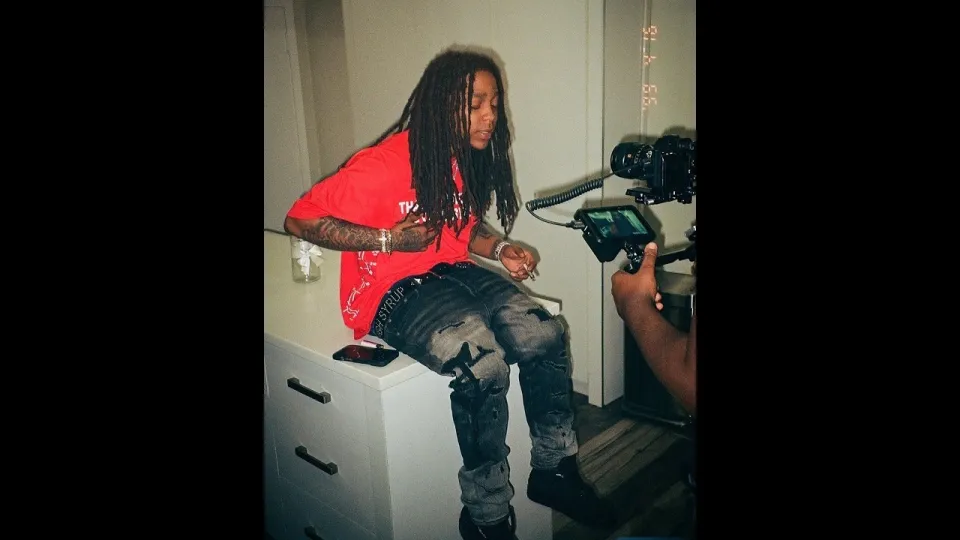
Video: [FREE] Hurricane Wisdom Type Beat - "Soul Tied"
Want articles like this for your own video to promote it on YouTube and Google? Order them through the Telegram bot @sat_sit_bot. The bot writes and publishes the articles itself (with your YouTube video embedded) on popular topical websites (no ads). Your first 50 articles are free.
· based on the channel December
Key takeaways
- A type beat is an original instrumental made in the style of a particular artist, not a stolen or official beat.
- The Hurricane Wisdom type beat "Soul Tied" by producer thesshabo runs at 172 BPM and is free for non-profit use only.
- Commercial release on streaming platforms requires a purchased lease; the free download does not cover monetization.
- Credit must appear in the song title as "prod. thesshabo" when the beat is used.
- Type beats are usually sold through BeatStars-style marketplaces with instant high-quality download after payment.
A type beat is an original instrumental produced in the style of a specific artist, sold or shared by the producer rather than the artist himself. It gives unsigned rappers and singers a ready-made sonic template, usually with a clear license that separates free non-profit use from paid commercial release. The Hurricane Wisdom type beat "Soul Tied" from producer thesshabo is a working example: 172 BPM, free for non-profit only, and available in high quality through the download and purchase page on BeatStars.
What a type beat actually is and where the name comes from
The term describes the search behavior that created the market: a rapper types "Hurricane Wisdom type beat" into YouTube because they want that Florida melodic trap sound without access to the artist's real production. Producers responded by building original instrumentals that borrow the tempo range, drum character, sample treatment and mood of a scene, then tagging them with the artist's name.
Three things separate a type beat from a counterfeit:
- The instrumental is composed or arranged by the producer, not ripped from a released song.
- The artist's name is used descriptively, not as a claim of affiliation.
- The producer holds the rights and issues the license, so the paperwork is between the rapper and the beatmaker.
That last point matters more than the sound. A type beat is a legitimate business product, and the license attached to it defines what you can do with the recording.
How the "Soul Tied" Hurricane Wisdom type beat is built
"Soul Tied" is a sample-based melodic trap instrumental at 172 BPM, published by the channel December and produced by thesshabo. The tempo is the first practical detail: 172 BPM sits in a fast, double-time feel that suits melodic rap with dense hi-hat patterns, but it can also be rapped at half-time around 86 BPM if the vocalist prefers a slower pocket.
The arrangement leans on the sample as the emotional core, with drums placed underneath to give the vocal space. Listeners responding to the upload consistently singled out the sample as the strongest element, and one of the recurring critiques was that the drums could be pushed harder. That is useful feedback for anyone writing to it: the melodic loop is the hook, so the vocal should sit in the gaps rather than fight the sample.
Practical specs for anyone recording over it:
- Tempo: 172 BPM, so set your DAW grid accordingly before tracking vocals.
- Style: melodic trap with an R&B-leaning sample, in the lane of Florida artists.
- Required credit: the producer name must appear in the song title as "prod. thesshabo".
- Availability: high-quality download through the BeatStars link in the description.
Free download versus lease, explained plainly
The upload is labeled free, but the terms are narrow: free for non-profit use only. That means practice sessions, SoundCloud demos with no monetization, freestyles you post without earning, and writing exercises are covered. The moment a song goes to a distributor such as DistroKid, TuneCore or Amuse and starts generating revenue, the free tier no longer applies and a lease must be purchased.
A standard lease in this market typically grants a defined number of distributed copies, streaming rights, and a term of years, and it usually caps how much you can earn before an exclusive deal is required. The exact numbers live on the producer's page, so read the contract rather than assuming. Two habits prevent most problems:
- Buy the lease before you upload to a distributor, not after the song starts earning.
- Keep the receipt and the license PDF alongside your project files in case a distributor or content ID system asks for proof.
Why producers ask for credit in the title
Credit is not vanity; it is discoverability. When a track is titled with the producer's name, search traffic flows both ways, and the producer can point to placements when selling future beats. For the artist, credit costs nothing and removes a common reason for takedowns or disputes.
With this beat the requirement is specific: include "prod. thesshabo" in the title. A typical format looks like "Artist Name - Song Title (prod. thesshabo)". Keep the spelling exact, and use the same credit in the metadata field on your distributor so the two match.
Common questions from artists using type beats
The comment threads under uploads like this one reveal the same anxieties again and again. One recurring theme is self-doubt about whether a writer's own material is good enough; the honest answer is that a beat cannot validate a song, only a finished, mixed vocal can, so record a full reference before asking for opinions. Another is collaboration requests, which are easy to arrange on browser-based platforms where two people can share a project file without installing the same DAW.
A third theme is mixing. Several listeners liked the sample but wanted harder drums, which is a reminder that the beat is a starting point: you can ask the producer for stems, and a lease often includes them, so the drums and sample can be balanced against your vocal instead of locked in place. Finally, there is the licensing question that comes up whenever a free beat gets attention. Free means non-profit here, and a lease is the bridge to paid release. Anyone unsure should email the producer directly at the address listed on the upload before spending money on distribution.
All the links from the video
- High-quality download and lease purchase for "Soul Tied": https://bsta.rs/8vqACy
- The drum kit used to produce the beat: https://bsta.rs/t5CPrq
The bottom line on type beats
A type beat is a licensed instrumental in the style of an artist, and the license, not the vibe, decides what you can do with it. "Soul Tied" shows the standard model clearly: 172 BPM, sample-driven melodic trap, free for non-profit work, a paid lease for anything that earns, and a credit line in the title. The video breakdown was published by the channel December, which hosts the beat and its terms in one place. If you plan to release a song over it, grab the high-quality file and the correct license here before you upload anything to a distributor.
Source: [FREE] Hurricane Wisdom Type Beat - "Soul Tied" · Markdown version
Questions & answers
Can I release a song on Spotify using a free type beat?
Only if the license allows commercial use. This beat is free for non-profit purposes, so a Spotify release requires a purchased lease first. Buy the lease, keep the receipt, and credit the producer in the title as instructed.
Do I have to credit the producer if I use the beat for a demo?
Yes. The requirement applies to use of the instrumental, not just to paid releases. Put "prod. thesshabo" in the title and keep the spelling consistent across every platform you upload to.
What does 172 BPM mean for writing vocals?
It sets the grid. You can write fast, double-time flows that follow the hi-hats, or treat the beat as roughly 86 BPM and write slower melodic passages. Try both and keep whichever feels more natural to your voice.
Can I get the separate tracks to mix the beat myself?
Stems are commonly included with a lease rather than the free download. Ask the producer by email, listed on the upload, and confirm what the license includes before you start mixing.